选择语言

When selecting equipment components, it’s natural to focus on the upfront purchase price. Everyone wants to keep their budget tight. But if you talk to the plant managers or maintenance supervisors who live on the factory floor, they’ll show you a completely different ledger: The real killer isn't the component cost—it's the cost of downtime.
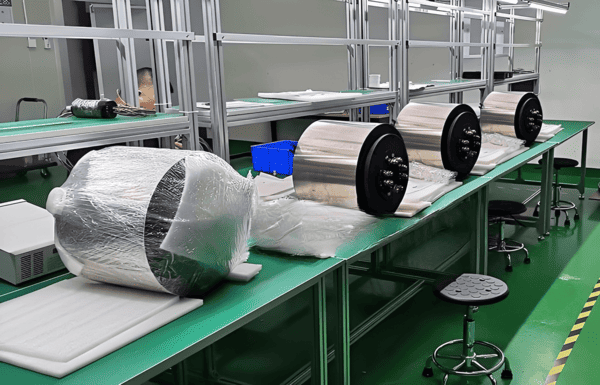
With traditional slip rings, brushes inevitably wear down and generate debris over time. When that happens, you have no choice but to shut things down.
Stop the line, clean the debris, replace the parts, and recalibrate.
This entire process can swallow anywhere from 30 minutes to half a day.
What do you lose during that window? Pure throughput, downstream efficiency, and potentially, the goodwill of a customer waiting on a tight deadline. Looking back, the few dollars saved on a cheaper component cannot cover the losses of a single unexpected shutdown.
That’s why when we design Hiscience solutions and talk about "frictionless" or "maintenance-free" designs, we aren't just pitching high-tech buzzwords. On the factory floor, fewer headaches mean more profitable uptime. In the end, high reliability is just another word for profitability.